

Unveiling Petar Popov's Mansion: Historical Mansion Insights

The mansion stands. Silent. Massive. Secrets locked behind stone walls. A relic from a past era. The structure demands attention. No fluff. No distractions. Just facts. The mansion’s history. Its architecture. Its mysteries. The story unfolds here.
Historical Mansion Insights: Architecture and Design
The mansion’s design is deliberate. Symmetry dominates. Stone and wood combine. Walls thick. Windows narrow. Purposeful. Defensive. The layout reveals a fortress mentality. Rooms arranged for function, not flair.
Materials: Local stone, aged oak, wrought iron.
Style: Gothic influences with Renaissance touches.
Features: High ceilings, arched doorways, hidden passages.
The mansion’s architecture reflects the era’s priorities. Security. Status. Power. No room for frivolity. Every element serves a purpose.
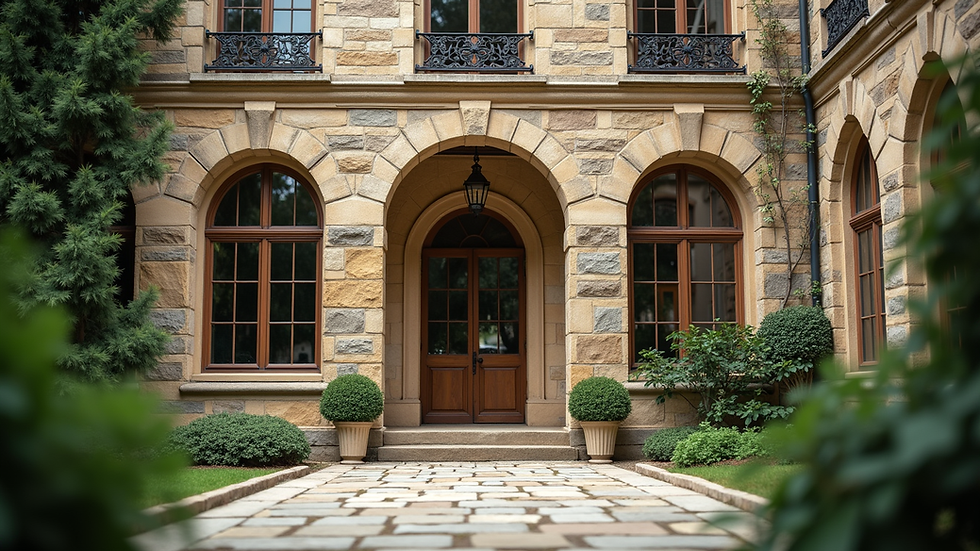
Historical Mansion Insights: The Grounds and Surroundings
The estate covers acres. Gardens minimal. Overgrown paths. The grounds suggest neglect or secrecy. Walls enclose the property. Gates heavy, iron-bound.
Layout: Courtyard at centre, surrounded by service buildings.
Vegetation: Wild shrubs, ancient trees.
Access: Limited entry points, guarded historically.
The grounds reinforce the mansion’s isolated nature. A fortress in the countryside. Designed to keep outsiders out. Or keep something in.
The Mansion’s Interior: Layout and Key Rooms
Inside, the mansion is a maze. Corridors twist. Stairs spiral. Rooms vary in size. Some grand. Others cramped. The interior tells a story of hierarchy and function.
Great Hall: Central gathering place. Large fireplace. Stone benches.
Library: Shelves line walls. Dusty tomes. Hidden compartments.
Chapel: Small, austere. Religious symbols carved in stone.
Servants’ Quarters: Sparse, utilitarian.
The mansion’s interior reflects its dual nature. Public display and private secrecy. Spaces for ceremony and concealment.

Security Features and Hidden Elements
Security was paramount. The mansion includes multiple defensive features. Some obvious. Others concealed.
Thick walls: Resist attack and eavesdropping.
Hidden doors: Concealed behind bookcases or tapestries.
Escape tunnels: Lead beyond the estate boundaries.
Traps: Mechanical devices to deter intruders.
These features suggest a need for protection beyond the ordinary. The mansion was built to withstand threats. Physical and perhaps supernatural.
The Mystery Behind the Mansion
The mansion’s history is layered. Ownership records incomplete. Rumours of secret societies. Whispers of curses. The mansion’s past is tangled with intrigue.
The petar popov mansion details reveal clues. Documents hint at hidden treasures. Puzzles embedded in architecture. Symbols carved in stone.
Historical records: Fragmented, cryptic.
Local legends: Speak of disappearances and strange lights.
Architectural puzzles: Alignments with celestial events.
The mansion is more than a building. It is a puzzle. A challenge. A story waiting to be decoded.
Engaging with the Mansion’s Legacy
Exploration requires preparation. Knowledge of history and architecture essential. Tools recommended:
Maps and blueprints: Study before entry.
Lighting: Torches or strong flashlights.
Recording devices: Document findings.
Puzzle-solving skills: Critical for hidden clues.
Approach with caution. Respect the site. The mansion’s secrets are guarded. Persistence and logic unlock them.
The mansion remains a testament. To history. To mystery. To the unknown. Its walls hold stories. Waiting for discovery. The journey into its depths is not for the faint-hearted. It demands focus. Dedication. And a sharp mind. The mansion’s legacy endures. Ready for those who seek truth behind stone and shadow.


Comments